World Bonsai Destinations: US & Europe Exhibits & Clubs
From the misty forests of Washington State to the sunlit courtyards of southern Spain, bonsai culture thrives far beyond Japan. Across the United States and Europe, dedicated artists and collectors have built remarkable museums, exhibitions, and clubs that preserve this living art. Whether you’re planning a dedicated bonsai pilgrimage or just hoping to discover inspiration close to home, this guide highlights some of the best places to experience bonsai in person — along with practical travel and learning tips.
United States: Key Collections and Shows
The United States has cultivated a strong bonsai culture over the past century, developing museums, public collections, and clubs that rival Japan’s famous gardens. While Japan remains the spiritual home of bonsai, the U.S. offers countless destinations where travelers can appreciate the art, attend workshops, and meet fellow enthusiasts.
The National Bonsai & Penjing Museum – Washington, D.C.
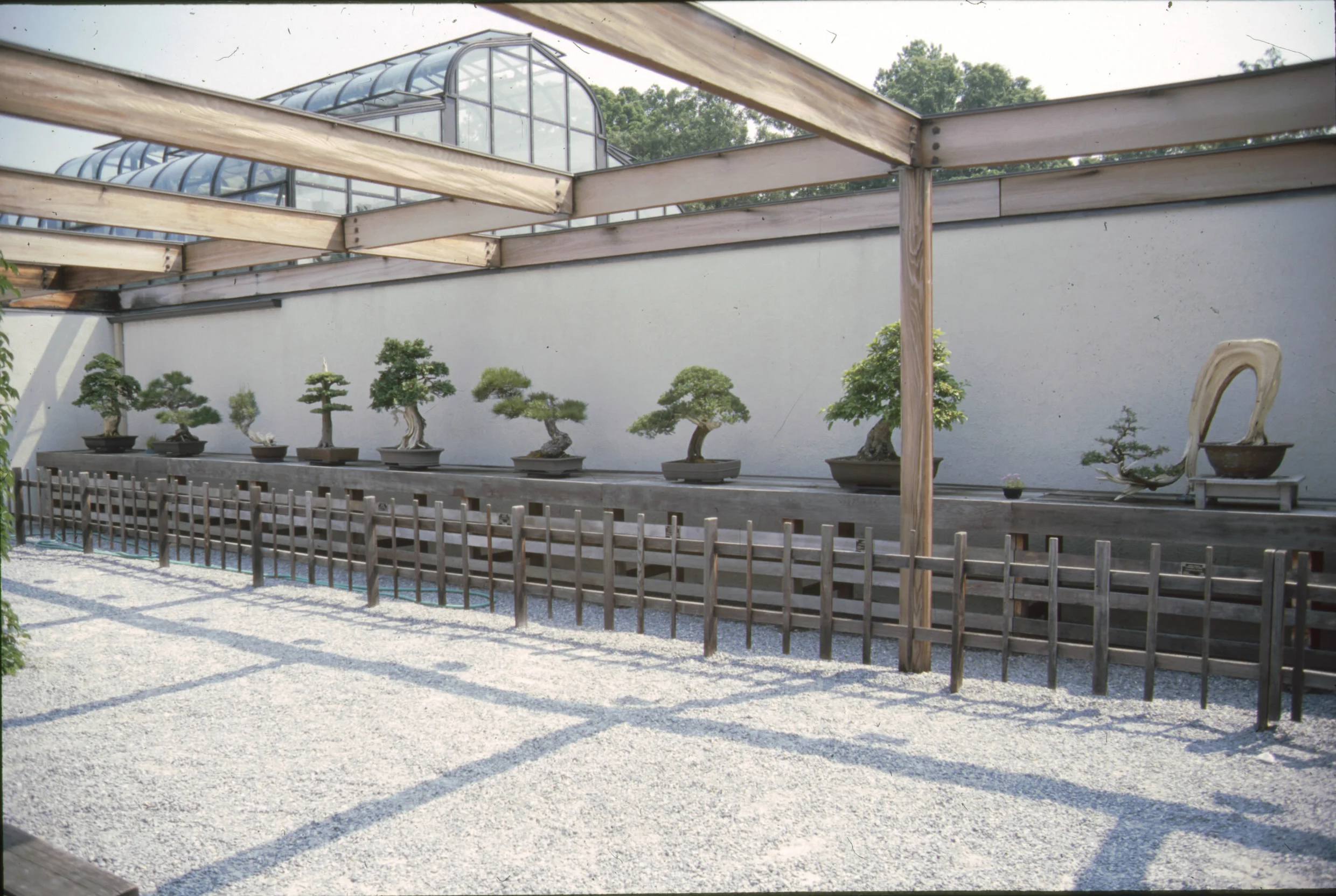
Located within the U.S. National Arboretum, this museum houses one of the most respected bonsai collections outside Japan. The exhibits feature masterpieces donated by Japanese artists as symbols of friendship, along with exceptional North American specimens. Visitors can admire trees over 300 years old and explore seasonal displays that reveal how bonsai respond to natural cycles. The museum also hosts demonstrations, offering a perfect opportunity to learn styling and pruning techniques firsthand.
Pacific Bonsai Museum – Washington State
Nestled in a quiet forest near Seattle, the Pacific Bonsai Museum offers a serene environment where over 150 bonsai from around the world are displayed in open-air pavilions. The collection includes trees from the U.S., Japan, China, Korea, Taiwan, and Canada, making it one of the most diverse on Earth. The museum emphasizes cultural storytelling through bonsai, illustrating how local landscapes and philosophies shape tree design.
Other Notable U.S. Bonsai Destinations
In California, the Golden State Bonsai Federation manages collections across several botanical gardens, including those in Los Angeles, Oakland, and San Marino. The Huntington Library and Botanical Gardens’ bonsai court showcases both classical and contemporary styles, while the Clark Bonsai Collection in Fresno is beloved for its educational programs.
Further east, the Chicago Botanic Garden’s bonsai collection and New York’s Brooklyn Botanic Garden each offer unique regional perspectives. For those interested in connecting locally, nearly every state has at least one active bonsai society. Attending a local show can be a valuable way to meet growers and exchange advice on topics such as soil composition or indoor lighting — especially if you’re caring for an indoor bonsai tree.
Europe: Major Museums and Clubs
Europe’s bonsai scene combines Asian traditions with local horticultural artistry. Many of the continent’s top collections are housed within botanical gardens or managed by national bonsai federations. Whether you’re exploring Italy’s Mediterranean pines or Germany’s maple forests, you’ll find bonsai interpreted through diverse European aesthetics.
Spain and Italy: Bonsai as Living Sculpture
In Spain, the Bonsai Museum at the Royal Botanic Garden in Madrid features one of Europe’s largest collections, including Mediterranean species adapted to bonsai form. Ficus, olive, and juniper bonsai reflect Spain’s warm climate and ancient arboreal traditions. Meanwhile, Italy’s Crespi Bonsai Museum near Milan stands as one of the continent’s most important hubs. It offers a massive indoor collection and holds an annual international competition where top artists showcase their trees.
United Kingdom and France: Tradition Meets Innovation
The U.K.’s Federation of British Bonsai Societies coordinates clubs and exhibitions across England and Scotland. Wisley Gardens, managed by the Royal Horticultural Society, often displays seasonal bonsai exhibitions emphasizing native British trees such as oak and beech. In France, the Musée du Bonsai in Fréjus and regional clubs host regular training sessions and exhibits that blend Japanese and French horticultural techniques.
France’s coastal Mediterranean climate is particularly well-suited for outdoor bonsai, making it ideal for enthusiasts deciding between indoor vs outdoor bonsai. Local clubs in Nice, Marseille, and Bordeaux regularly offer demonstrations on styling techniques adapted to the European environment.

Germany, Belgium, and the Netherlands: Bonsai Communities in Bloom
Germany’s bonsai community is among Europe’s most organized. The German Bonsai Club (Bonsai Club Deutschland e.V.) holds annual exhibitions like the “Bonsai Convention,” drawing artists from across Europe. The country’s emphasis on structure and technique is evident in its displays, which often highlight precise wiring and shaping methods.
Belgium and the Netherlands host smaller but vibrant communities, including the Noelanders Trophy in Belgium — one of Europe’s premier bonsai exhibitions. It attracts global masters, making it an excellent travel destination for anyone interested in observing advanced design techniques and judging criteria.
Local European Clubs and Events
Nearly every European country has regional bonsai clubs that welcome travelers and newcomers. Many organize monthly meetings, exhibitions, and tree swaps. Joining one can offer access to expert mentorship and even local sourcing opportunities for pre-bonsai material. For example, France’s Fédération Française de Bonsaï and Italy’s Unione Bonsaisti Italiani maintain active calendars of shows and workshops, often hosted in botanical gardens.
Planning Your Visit (Timing & Gear)
To get the most from your bonsai travels, consider planning visits during spring or early autumn. These are the best seasons for color variation and for catching live demonstrations. Most major exhibitions take place between March and October, coinciding with the growing season when trees are at their most dynamic.
Seasonal Highlights
Spring showcases new foliage and repotting workshops, while autumn emphasizes leaf color and structural pruning. In winter, many collections focus on conifers and deciduous trees with bare silhouettes, ideal for studying branch structure.
If you’re inspired to start your own collection after a visit, check local regulations before purchasing trees abroad. Certain species, such as pine or elm, require phytosanitary certificates for export. Alternatively, you can always support domestic growers through reputable online sources — or simply buy bonsai tools or starter kits on Amazon.
What to Pack for Bonsai Travel
A camera or phone with macro capability is invaluable for photographing branch detail and wiring. A small notebook helps document styling ideas or care notes for your own collection. Comfortable shoes are a must — many bonsai gardens are set within expansive botanical parks. Finally, a light rain jacket or sun hat will keep you comfortable during long outdoor walks.
Combining Travel with Learning
If you plan to study bonsai in depth, consider enrolling in short workshops during your travels. Many museums and clubs offer multi-day courses that include pruning, wiring, and soil management. These experiences not only build technical skill but also connect you to the global bonsai community — an invaluable network for anyone looking to deepen their craft.
Learning from Displays (What to Look For)
Visiting bonsai exhibits is not only about visual enjoyment; it’s an opportunity to observe the underlying principles that define this art form. When viewing professional displays, pay attention to balance, proportion, and trunk taper — all fundamental aspects of bonsai design.

Understanding Style and Composition
Each bonsai style conveys a different story. The formal upright (chokkan) emphasizes discipline and order, while the cascading (kengai) style captures the struggle of a tree clinging to a cliff. When traveling, notice how different regions favor certain styles based on their natural environments. For example, American bonsai often feature rugged, naturalistic designs inspired by mountain landscapes, while European displays may emphasize symmetry and refinement.
Appreciating Age and Texture
Mature bonsai trees often exhibit features that mimic centuries of growth: cracked bark, deadwood (jin and shari), and exposed roots that tell a story of endurance. Learning to recognize these signs helps visitors appreciate the subtle craftsmanship behind each specimen. Some museums provide detailed labels describing age, species, and origin — take the time to read them for context.
Inspiration for Your Own Trees
Seeing professional bonsai in person can transform your approach at home. You may notice differences in soil mixes, pot styles, or pruning methods that you can adapt to your setup. If you’re considering expanding your collection, review our guide on how much bonsai trees cost to understand price tiers and what influences value.
Connecting the Global Bonsai Experience
Your journey doesn’t have to end in the U.S. or Europe. If you ever wish to explore the roots of the art, visit Japan’s historic bonsai gardens in Tokyo and Kyoto, where centuries-old traditions continue to thrive. Learn more in our guide to Best Bonsai Gardens & Museums in Japan (Tokyo & Kyoto). These destinations complete the circle of understanding — from the art’s origins in Asia to its flourishing adaptations across the West.