
What Do Bonsai Trees Represent? History, Meaning & Aesthetics
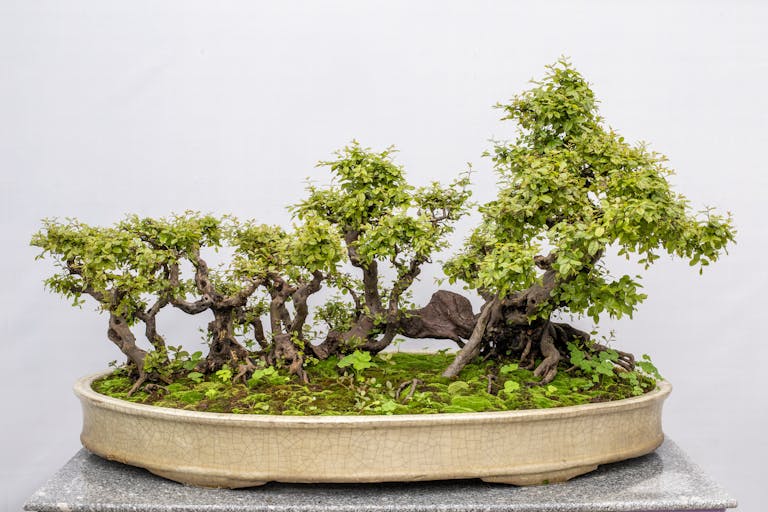
Bonsai, though now synonymous with Japanese culture, has roots stretching back more than a thousand years to ancient China. The earliest practice, known as penjing, involved shaping miniature landscapes with trees, stones, and moss. These living dioramas reflected the Daoist belief that the natural world mirrors the universe — vast, yet understandable through miniature expression.
When the art form reached Japan around the 12th century, it evolved into something more focused, restrained, and symbolic. The Japanese aesthetic shifted from depicting entire landscapes to capturing the essence of a single tree. Each bonsai became a distilled reflection of nature — an individual tree that encapsulated the beauty, impermanence, and asymmetry of the natural world.
Today, bonsai stands at the intersection of horticulture and art. It’s a dialogue between human intention and the quiet persistence of nature. Practitioners don’t dominate the tree but collaborate with it, using tools, time, and patience to guide growth. This ongoing relationship is part of why many see bonsai not only as decoration but as a spiritual or philosophical practice.
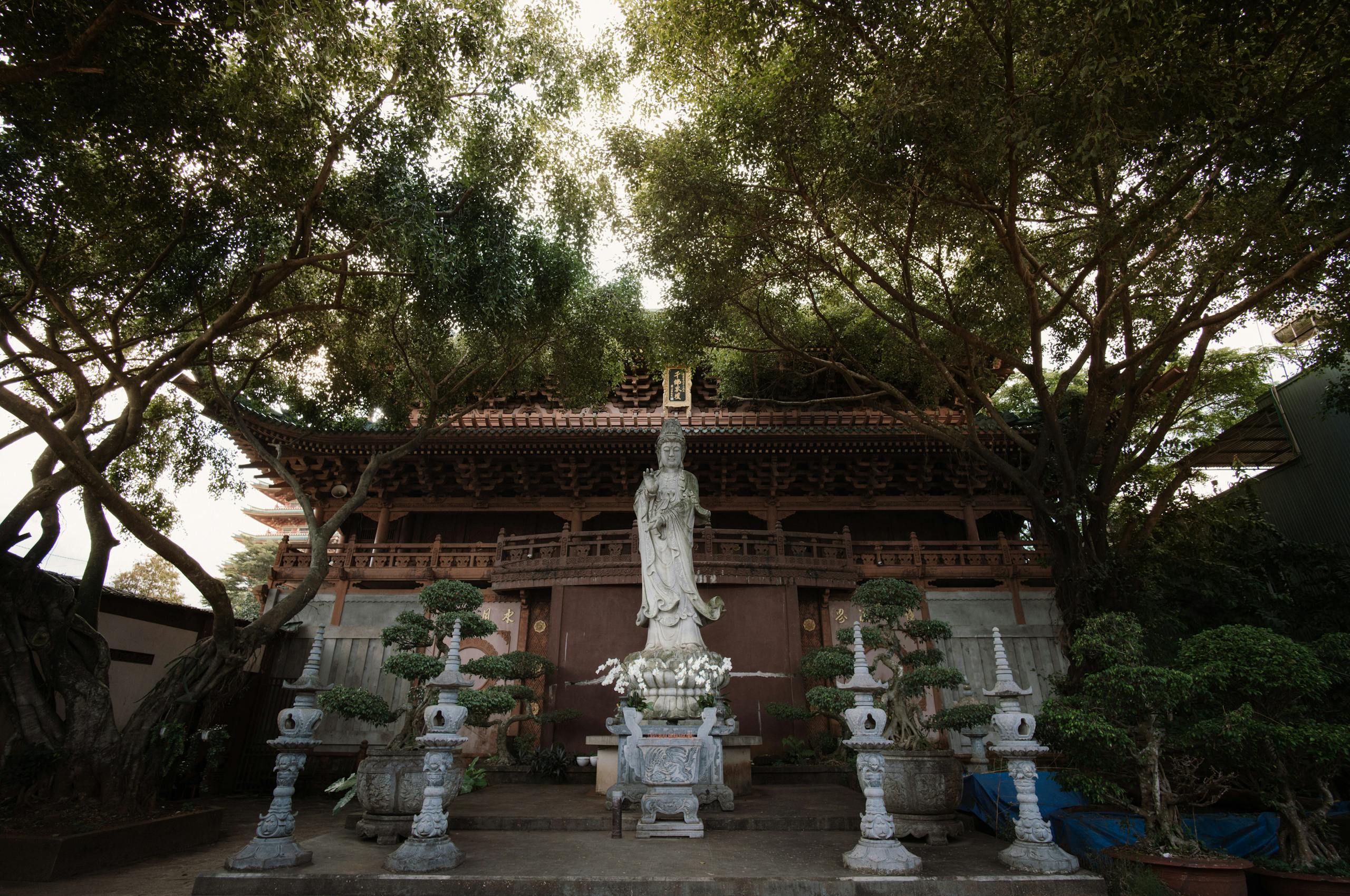
For those drawn to bringing this centuries-old art indoors, learning proper environmental balance is key. If you’re just beginning, see How to Care for a Bonsai Tree Indoors (Beginner’s Guide) for fundamental care techniques.
Symbolism Across Cultures
Bonsai carries layered meanings that shift subtly depending on the culture interpreting it. To many in Japan, it represents harmony, patience, and respect for natural form. A perfectly imperfect tree — scarred, gnarled, and asymmetrical — captures the concept of wabi-sabi, the beauty of transience and imperfection.
In Zen Buddhist traditions, bonsai reflects the balance between chaos and control, much like meditation itself. Each pruning cut is an act of mindfulness, a small reminder that control must coexist with acceptance. The tree becomes a mirror of its caretaker’s inner world — a living reflection of restraint, persistence, and serenity.
In China, penjing trees are often tied to longevity and wisdom. Their aged bark and twisted trunks echo human endurance. Miniature pines and junipers are especially revered because they symbolize resilience, surviving through harsh winters while remaining evergreen.
In the West, bonsai often symbolizes creativity, patience, and minimalism. It became popular among artists, architects, and philosophers for its meditative qualities and for how it distills nature’s essence into an object small enough to fit on a desk — a gentle contradiction that feels both ancient and modern.
These cultural layers give bonsai its universal appeal: it’s not merely about cultivation, but about connection. Whether you view it as spiritual art or slow-growing sculpture, a bonsai embodies balance between control and surrender.
Aesthetics: Wabi-sabi, Balance, and Implied Landscape
To understand what bonsai represents visually, you need to see it through the lens of Japanese aesthetics — a philosophy that values subtlety over perfection. Concepts like wabi-sabi and shibui guide how bonsai artists approach design.
Wabi-sabi values imperfection, transience, and the passage of time. Moss creeping over soil, bark cracked with age, a slightly uneven trunk — all of these are celebrated, not corrected. A bonsai isn’t meant to look flawless; it’s meant to look alive and seasoned by time.
Balance is another essential principle. But this balance is often asymmetrical. A classic bonsai leans slightly, evoking motion and natural tension. One branch may stretch outward dramatically while another is pruned short. Together, they create visual stability through contrast — a dynamic stillness that feels natural rather than mechanical.
Implied landscape, or shizen, encourages the viewer to imagine the larger world beyond the pot. A single pine leaning over a small rock might evoke an entire mountainside. A delicate maple with red leaves might recall an autumn forest. This power of suggestion — the ability to make the mind wander — is what makes bonsai more than decoration. It’s a portal to vastness through miniature form.
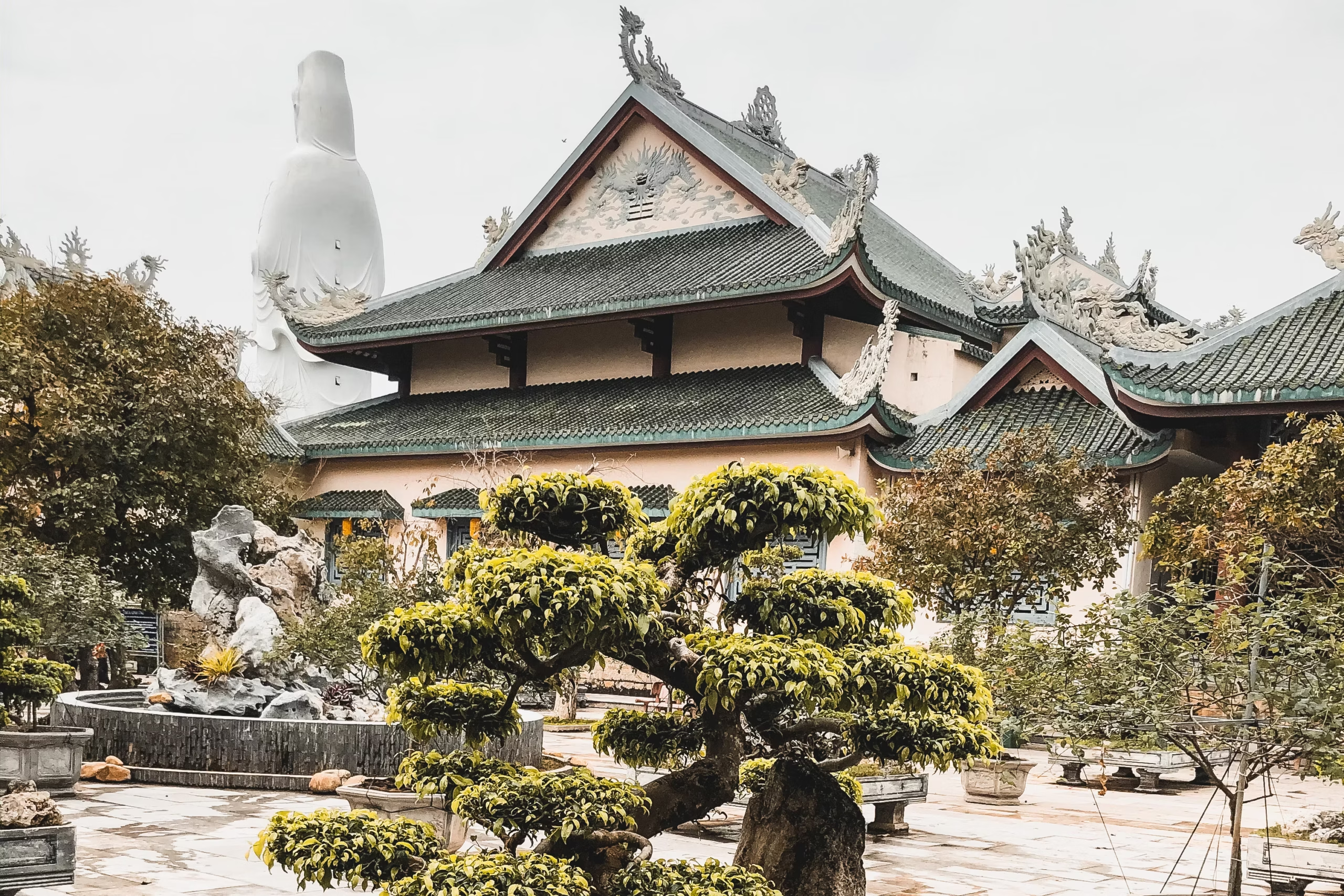
These principles are timeless, yet every tree expresses them differently. A windswept juniper conveys endurance. A flowering cherry might symbolize fleeting beauty. A tall, upright pine exudes dignity and strength. When selecting a style, your choices reveal what you value in nature — whether serenity, persistence, or vitality.
If you’re considering where to display your bonsai, remember that environmental conditions also shape meaning. Outdoor species evoke a connection to the elements, while indoor bonsai create intimacy and reflection. Learn more in Indoor vs Outdoor Bonsai: Which Is Right for You?.
How Design Choices Convey Meaning
Every decision you make in shaping a bonsai — from the curve of a branch to the texture of the pot — carries symbolic weight. Design isn’t merely aesthetic; it’s expressive language.
Tree Species
Each species has its own symbolic associations. Pines suggest endurance and masculine energy, often chosen for their rugged bark and evergreen needles. Maples, with their delicate leaves and brilliant seasonal color, represent change and impermanence. Flowering varieties like azaleas or wisteria convey grace and renewal. The choice of tree type is the first way a bonsai artist defines emotional tone.
Trunk and Form
The trunk is the tree’s backbone — it communicates character. A straight, upright trunk implies discipline and order. A slanted or windswept trunk tells a story of struggle and survival. Multi-trunk styles hint at family, community, or continuity through generations. The artist intentionally chooses form to evoke emotion: serenity, perseverance, or movement through time.
Pruning and Negative Space
In bonsai, absence is as powerful as presence. Every cut removes not just wood, but noise. The empty spaces between branches — called ma in Japanese art — are deliberate pauses that let the viewer’s eye breathe. These voids carry emotional rhythm, balancing density and openness much like silence balances sound in music.
Container and Presentation
The pot is the frame that defines the composition. Simple, muted containers are often used to let the tree speak, while glazed or colored pots may add emotional warmth. A rough-textured pot pairs beautifully with an ancient pine, while a smooth pale one might complement a young flowering species.
Placement also conveys meaning. Displaying a bonsai on a low wooden stand encourages humility and contemplation, while higher placement emphasizes grandeur. Each presentation invites the viewer to engage differently with the tree’s story.

Time as Design Element
Perhaps the most profound aesthetic of bonsai is time itself. You don’t simply design a tree once; you guide it over decades. The tree remembers every cut, wire, and season. The artist’s role shifts from designer to caretaker, allowing nature to take over in subtle ways. This collaboration is what gives bonsai its living poetry — a shape that changes yet remains constant in essence.
The patience required becomes part of the meaning. Cultivating a bonsai is a meditation on slow transformation, reminding us that beauty can’t be rushed. For many enthusiasts, that lesson carries into daily life.
If you’re new to collecting and wondering about the economics of these living artworks, explore How Much Do Bonsai Trees Cost? Price Tiers & What Affects Value to understand what craftsmanship and age signify in pricing.
The Living Symbol of Harmony
Ultimately, bonsai represents more than artistic control — it represents harmony between human creativity and natural growth. Each tree embodies a quiet philosophy: that small acts of care, practiced with patience, can shape something enduringly beautiful.
A bonsai is never finished. It changes, adapts, and carries the marks of its caretaker’s attention. The tree becomes a living metaphor for growth — not perfection, but persistence. Its miniature scale invites intimacy, asking us to look closely and notice details that the vastness of nature might otherwise conceal.
Whether placed on a windowsill or in a garden, a bonsai whispers the same truth: beauty doesn’t demand scale. It asks for presence, for time spent in quiet observation, and for respect toward the forces that shape both tree and person alike.
That is what bonsai represents — life, shaped but not controlled, alive in every curve, scar, and new spring bud.